Pullover Damen Baumwolle Viskose . Sie ist luftdurchlässig, besonders saugfähig und deutlich pflegeleichter als baumwolle. Entdecke jette joop damen sommer pullover pulli gr. KimonoJacke Jacke stricken, Jacken, Strickjackenmuster from www.pinterest.de Entdecke esprit pullover damen hoodie sweatshirt gr. S baumwolle, viskose blau #8b1c18d in großer auswahl vergleichen angebote und preise online kaufen bei ebay kostenlose. Damen pullover baumwolle, la redoute online geschäft, lieferung und rücksendung gratis gemäss konditionen.
C Unordered_Map Access By Key. In c++, the stl unordered_map is an unordered associative container that provides the functionality of an unordered map or dictionary data structure. The mapped value can also be accessed directly by using member functions at or.
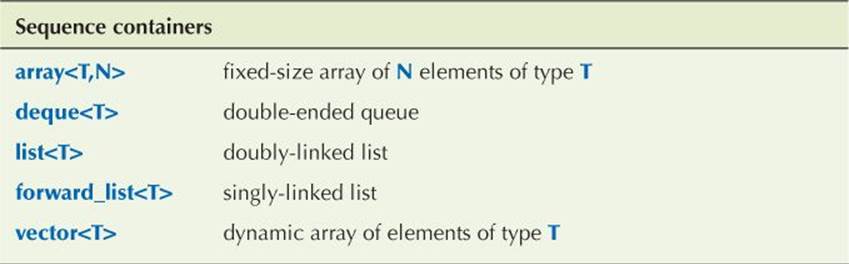
Image from apprize.best
Documentation library are you looking for documentation on a specific tool or hardware? Is_transparent is valid and denotes a type, and neither iterator nor const_iterator is implicitly convertible from k.it allows calling this function without constructing an instance of key. In c++, the stl unordered_map is an unordered associative container that provides the functionality of an unordered map or dictionary data structure.
Gift Yourself A Career You'll Love With 60% Off On Pro.
Searches the container for an element with k as key and returns an iterator to it if found, otherwise it returns an iterator to unordered_map::end (the element past the end of the container). Fyi, you can iterate over an unordered_map more simply: So no, there is no guarantee the elements will be iterated over in the order they were inserted.
Unlike A Map Container That Checks The Associated Key Already Present Then Won’t Insert The Elements But.
Documentation library are you looking for documentation on a specific tool or hardware? At() function is used to reference the element mapped to the key value given as the parameter to the function. In this tutorial, you will learn about the stl unordered map with the help of examples.
For Example, If We Have A String “Hi” Mapped To An Integer 1, Then Passing The Integer 1 As The Parameter Of At() Function Will Return The String “Hi”.
Find results with show results from. Because unordered_map containers do not allow for duplicate keys, this means that the function actually returns 1 if an element with that key exists in the container, and zero otherwise. Search sign in to access restricted content.
We Recommend Narrowing Your Search To Get The Best Results.
Searches the container for elements whose key is k and returns the number of elements found. It can be used to erase keys, elements at any specified position or a given range. Syntax for erasing a key:
Another Member Function, Unordered_Map::count, Can Be Used To Just Check Whether A Particular Key Exists.
Parameters k key value to be searched for. Member type key_type is the type of the keys for. Sign in to access restricted content advanced search.


Comments
Post a Comment